Maintaining flexibility as we age is essential to optimize your healthspan. Flexibility allows you to be active and vibrant.
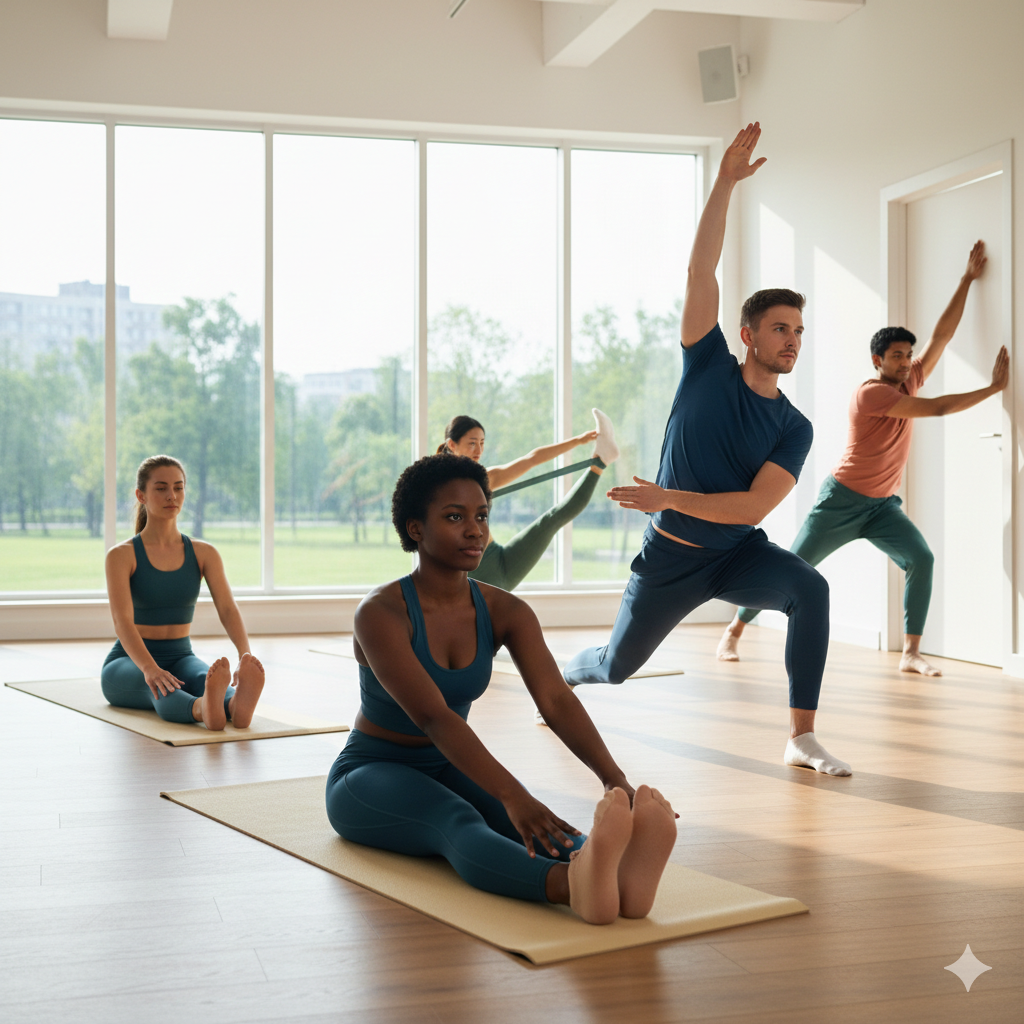
Maintaining flexibility is often the “hidden” key to healthy aging. While strength and endurance keep us moving, flexibility ensures that movement remains fluid, pain-free, and safe. As we age, our connective tissues naturally lose some elasticity, but this can be managed and even reversed with consistent effort.
To continue the “Pillars of Health” theme, think of flexibility as the oil that keeps the machine running smoothly. Here is how to maintain it:
1. Daily Movement is Non-Negotiable
The “use it or lose it” rule applies heavily to your range of motion.
-
Stay Active: Simple daily activities like gardening, walking, or even playing with grandkids keep your joints warm and loose.
-
Dynamic Warm-ups: Before any specific exercise, use gentle “active” stretches like arm circles, neck rolls, or marching in place to circulate blood to the muscles.
2. Practice Static Stretching (The Bend-and-Hold)
Static stretching involves holding a position to lengthen the muscle. To be effective and safe as you age, follow these guidelines:
-
Hold for 30–60 Seconds: Research suggests older adults benefit from longer holds (at least 30 seconds) to allow stiff tissues to actually relax and lengthen.
-
Never Stretch Cold: Always perform these after a walk or a warm shower. Stretching “cold” muscles increases the risk of micro-tears.
-
Avoid Bouncing: Bouncing (ballistic stretching) can trigger a “stretch reflex” that actually makes the muscle tighten up to protect itself.
3. Incorporate Mind-Body Practices
Some of the best ways to improve flexibility also focus on balance and coordination, which are vital for preventing falls.
-
Yoga: Focuses on lengthening muscles and improving joint mobility.
-
Tai Chi: A slow, graceful form of exercise that maintains “functional flexibility”—the kind you need to reach for a shelf or tie your shoes.
-
Pilates: Excellent for core strength and spinal flexibility.
4. Focus on Key “Problem Areas”
As we age, certain muscle groups tend to tighten more than others, affecting our posture and gait. Target areas:
Hamstrings – Tightness here leads to lower back pain. Do seated forward folds (reach for toes).
Hip Flexors – Prolonged sitting tightens these, affecting balance. Do a standing lunge stretch.
Chest/Shoulders – Tightness causes a “hunched” posture. Do a doorway stretch (arms on frame, lean forward).
Ankles – Flexible ankles are critical for a steady walking stride. Do ankle circles and toe flexes.
5. Hydration and Nutrition
Your fascia (the connective tissue surrounding your muscles) is made largely of water. If you are dehydrated, your tissues become more “brittle” and less pliable.
-
Drink Water: Staying hydrated keeps your joints lubricated.
-
Healthy Fats: Omega-3 fatty acids (found in salmon or walnuts) can help reduce joint inflammation, making it easier to stay limber.