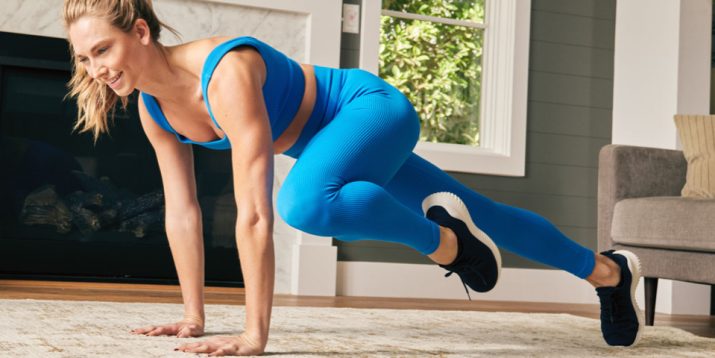
The power of advanced active recovery lies in recovering smarter. The tools and technology involved enhance the healing process. By consciously prioritizing and strategically implementing advanced active recovery techniques, you’re not just recovering – you’re building resilience, enhancing performance, and extending the longevity of your fitness journey.
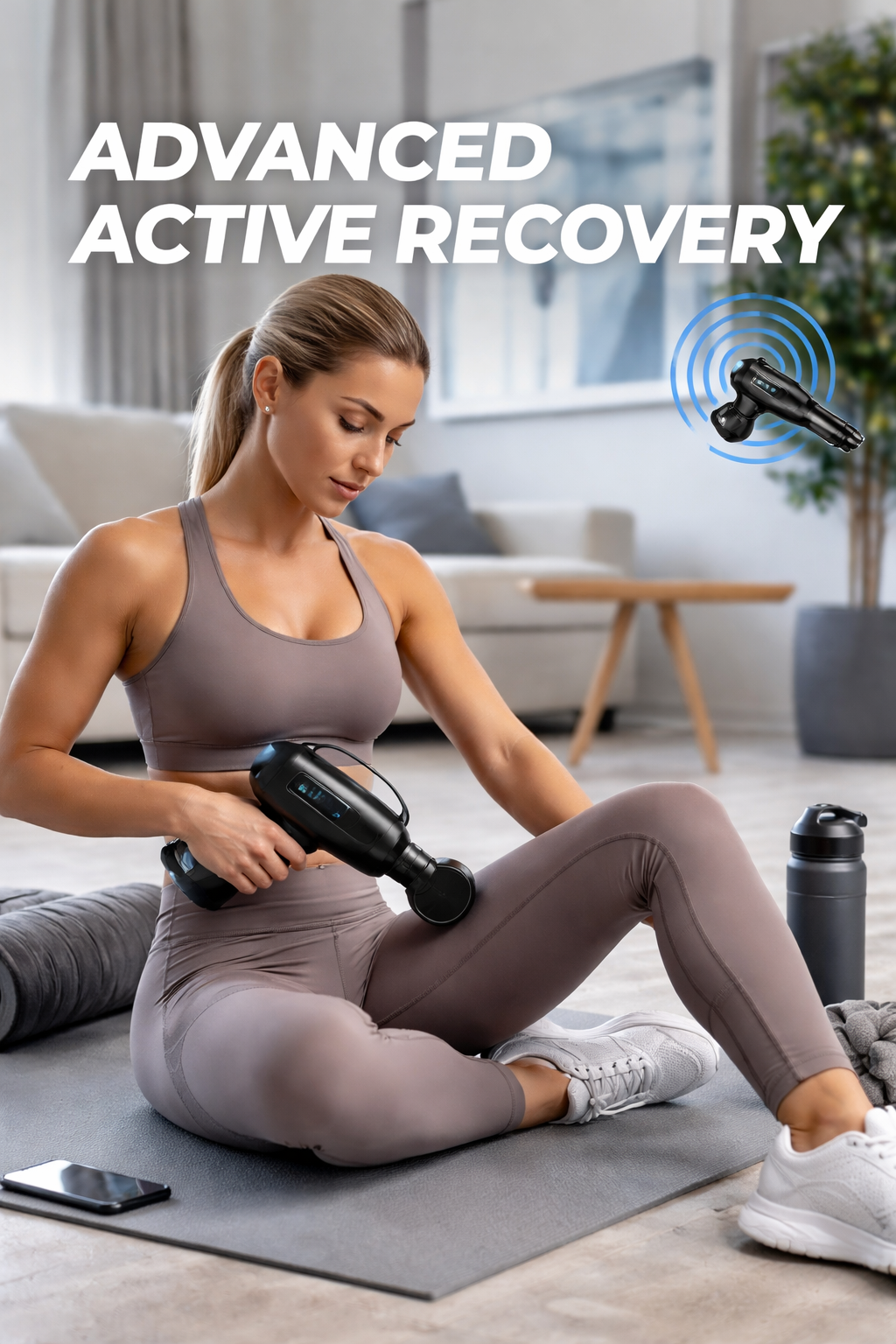
Unlock Your Full Potential: The Power of Advanced Active Recovery
In the relentless pursuit of fitness, we often glorify the grind – the heavy lifts, the grueling runs, the sweat-drenched HIIT sessions. But what if the secret to breaking through plateaus, preventing injury, and achieving peak performance wasn’t just about pushing harder, but about recovering smarter?
Enter advanced active recovery: a sophisticated approach that moves beyond passive rest to strategically optimize your body’s healing and rebuilding processes. This isn’t just about foam rolling after a workout; it’s about integrating targeted techniques that accelerate tissue repair, reduce inflammation, improve mobility, and prepare your body for its next challenge.
Why is this so crucial? Because true strength isn’t built in the gym; it’s built during recovery. When you train, you create micro-tears in your muscles and deplete energy stores. Recovery is when your body repairs these tears, adapts to the stress, and emerges stronger. Skimp on recovery, and you risk chronic fatigue, injury, and stalled progress.
Let’s dive into the cutting-edge tools and techniques that define advanced active recovery:
1. Percussion Massage Therapy: Deeper Than Deep Tissue
Forget the slow, arduous work of traditional foam rolling. Percussion massagers (like the Theragun or Hypervolt) utilize rapid, short-amplitude pulses to penetrate deep into muscle tissue.
-
How it works: These devices bombard muscles with thousands of strokes per minute, increasing blood flow to the area, breaking up knots (adhesions), and releasing tension more effectively than manual methods.
-
Benefits:
-
Rapid Muscle Soreness Relief: Significantly reduces DOMS (Delayed Onset Muscle Soreness).
-
Increased Range of Motion: Loosens tight muscles and fascia, improving flexibility.
-
Accelerated Warm-up & Cool-down: Prepares muscles for activity and speeds up waste product removal post-workout.
-
Improved Circulation: Delivers vital oxygen and nutrients to tired tissues.
-
2. Targeted Spinal & Fascial Mobilization: Unlocking Your Core
Our spine is the central pillar of movement, and tight fascia (the connective tissue surrounding muscles) can restrict movement and cause pain. Tools designed to target these areas offer profound relief and improved function.
-
How it works: Products like the Chirp Wheel use specific contours and firmness to gently apply pressure along the spine, helping to decompress vertebrae, stretch back muscles, and release tension in the surrounding fascia. Other tools target specific trigger points.
-
Benefits:
-
Back Pain Relief: Direct pressure can alleviate muscle spasms and improve spinal alignment.
-
Improved Posture: By releasing tension in the back and shoulders, these tools encourage a more upright posture.
-
Enhanced Flexibility: Stretching the spine and surrounding tissues leads to greater mobility.
-
Nerve Decompression: Can help relieve pressure on spinal nerves, reducing radiating pain.
-
3. Compression Therapy: Squeeze Out the Soreness
Once reserved for elite athletes, pneumatic compression boots (like Normatec) are becoming more accessible, offering dynamic compression that mimics a deep tissue massage.
-
How it works: Air chambers inflate and deflate in a sequential pattern, applying pressure to your limbs. This action helps to flush metabolic waste products (like lactic acid) out of the muscles and promote venous return, bringing fresh, oxygenated blood back in.
-
Benefits:
-
Reduced Swelling and Inflammation: Actively pushes fluid buildup out of fatigued limbs.
-
Faster Muscle Recovery: Accelerates the removal of waste products and delivery of nutrients.
-
Alleviated Heavy Leg Sensation: Refreshes and revitalizes tired legs after intense workouts or long days.
-
4. Cold and Heat Therapy: The Classic Duo, Reimagined
While ice baths and hot showers are classics, modern applications offer more targeted benefits.
-
Cryotherapy: Localized cold therapy (e.g., cold packs, cryo-guns) can reduce acute inflammation and numb pain. Whole-body cryotherapy exposes the body to extremely cold temperatures for short periods, potentially reducing systemic inflammation and boosting recovery.
-
Localized Heat Therapy: Heat wraps or infrared lamps increase blood flow to specific areas, promoting muscle relaxation and tissue healing for chronic stiffness.
-
Contrast Therapy: Alternating between hot and cold (e.g., contrast showers or localized baths) is believed to create a “pumping” action that enhances circulation and waste removal.
Integrating Advanced Recovery into Your Routine
Advanced active recovery isn’t just for professional athletes; it’s for anyone committed to pushing their physical limits safely and effectively.
-
Pre-Workout: Use percussion therapy to warm up muscles and increase range of motion.
-
Post-Workout: Incorporate percussion massage, spinal mobilization, or compression therapy to speed up recovery and reduce soreness.
-
Off-Days: Dedicate time to a full active recovery session, focusing on areas of chronic tightness or soreness.
-
Daily Maintenance: Use a walking pad for active recovery, light movement during work, or a spinal mobilization tool at the end of a long day.
By consciously prioritizing and strategically implementing advanced active recovery techniques, you’re not just recovering – you’re building resilience, enhancing performance, and extending the longevity of your fitness journey. So, next time you plan your workout, remember to plan your recovery with equal intent. Your body will thank you.