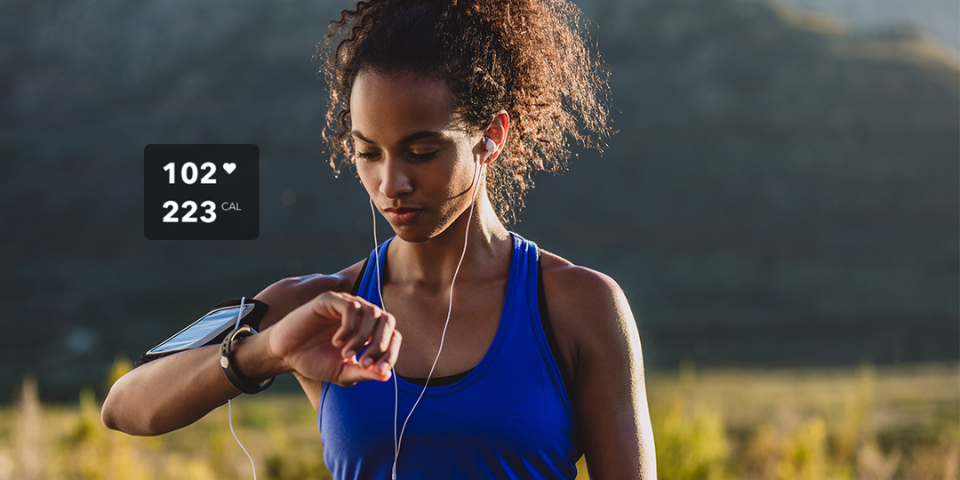
These six simple yoga moves for everyday flexibility will reduce pain, improve your posture, enhance your mobility, reduce injury, and lower your stress.
Unlocking Your Body: Simple Yoga Moves for Everyday Flexibility
In our fast-paced lives, it’s easy to overlook something as fundamental as flexibility. We sit at desks, rush through commutes, and often find ourselves stiff, hunched, or just plain uncomfortable. But cultivating flexibility isn’t just about touching your toes; it’s about enhancing your body’s natural range of motion, improving posture, preventing injury, and even reducing stress.
The good news? You don’t need to be a contortionist or spend hours in a studio. Just a few simple yoga moves, practiced consistently, can make a world of difference. Here are some beginner-friendly poses that target key areas of stiffness and can be done almost anywhere.
Why Flexibility Matters for Longevity
Before we dive into the poses, let’s quickly reiterate why flexibility is a longevity superpower:
-
Reduced Pain: Less stiffness in muscles and joints means fewer aches and pains.
-
Improved Posture: Counteracts the effects of prolonged sitting and technology use.
-
Enhanced Mobility: Makes everyday movements easier and more fluid.
-
Injury Prevention: Flexible muscles and joints are less prone to strains and sprains.
-
Stress Reduction: The mindful breathing and slow movements of yoga help calm the nervous system.
Your Simple Flexibility Flow (10-15 Minutes)
Aim to hold each pose for 30 seconds to 1 minute, breathing deeply into the stretch. Remember: never force a stretch to the point of pain. Listen to your body!
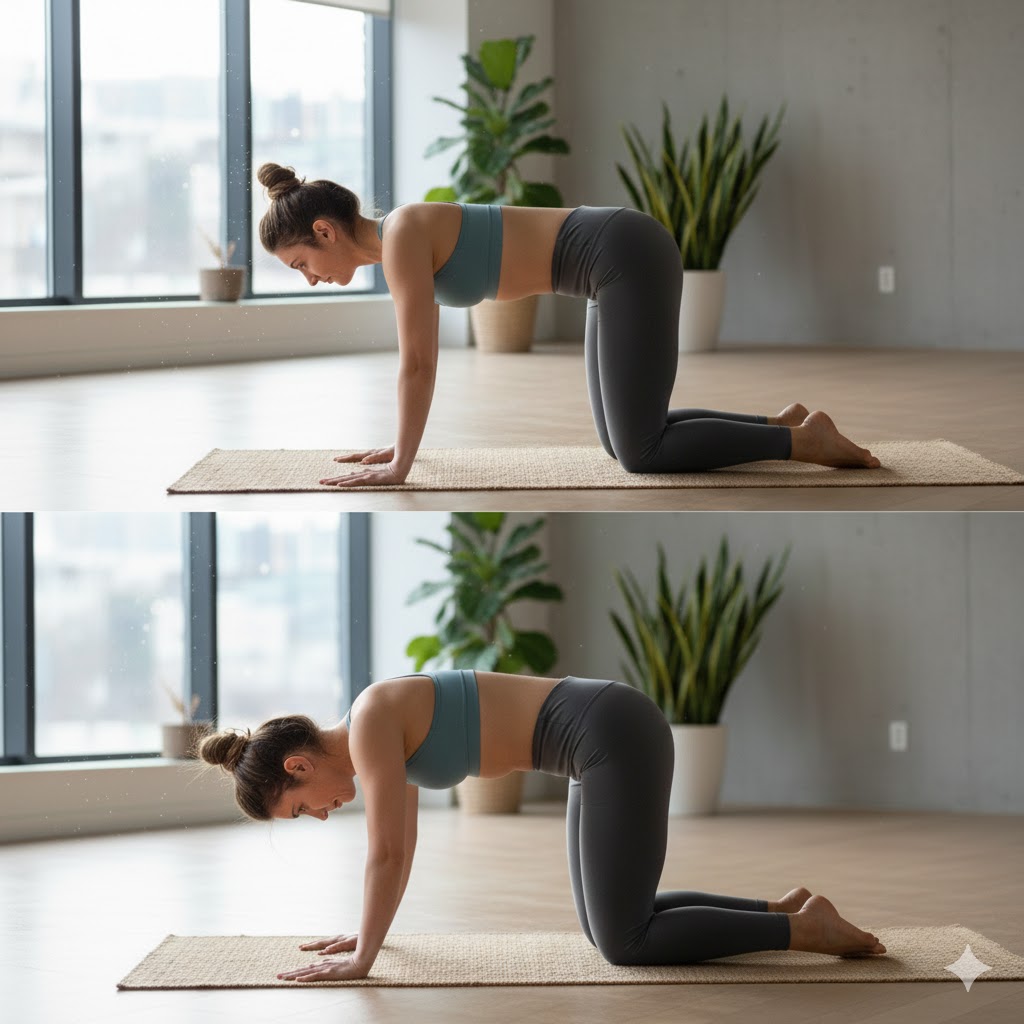
1. Cat-Cow Pose (Marjaryasana-Bitilasana)
-
Benefits: Warms up the spine, improves spinal flexibility, and gently stretches the back and torso.
-
How to: Start on all fours, hands directly under shoulders, knees under hips.
-
Cow: Inhale, drop your belly, lift your chest and tailbone towards the ceiling.
-
Cat: Exhale, round your spine towards the ceiling, tuck your chin to your chest.
-
Flow between these two movements with your breath for 5-10 repetitions.
-
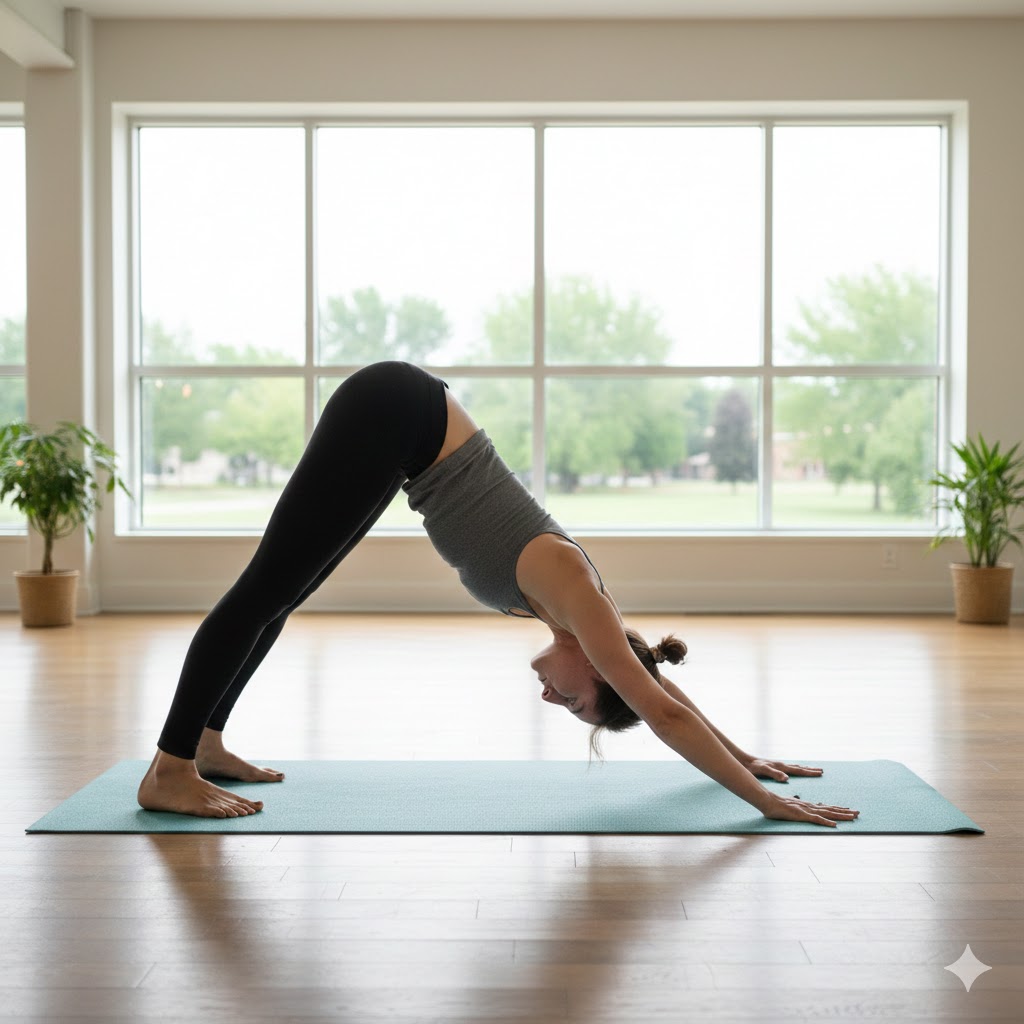
2. Downward-Facing Dog (Adho Mukha Svanasana)
-
Benefits: Stretches the hamstrings, calves, shoulders, and lengthens the spine. Invigorates the whole body.
-
How to: From Cat-Cow, tuck your toes, lift your hips high, pushing back through your hands. Form an inverted “V” shape with your body. Keep a slight bend in your knees if your hamstrings are tight, focusing on lengthening your spine. Press your heels towards the floor (they don’t need to touch).
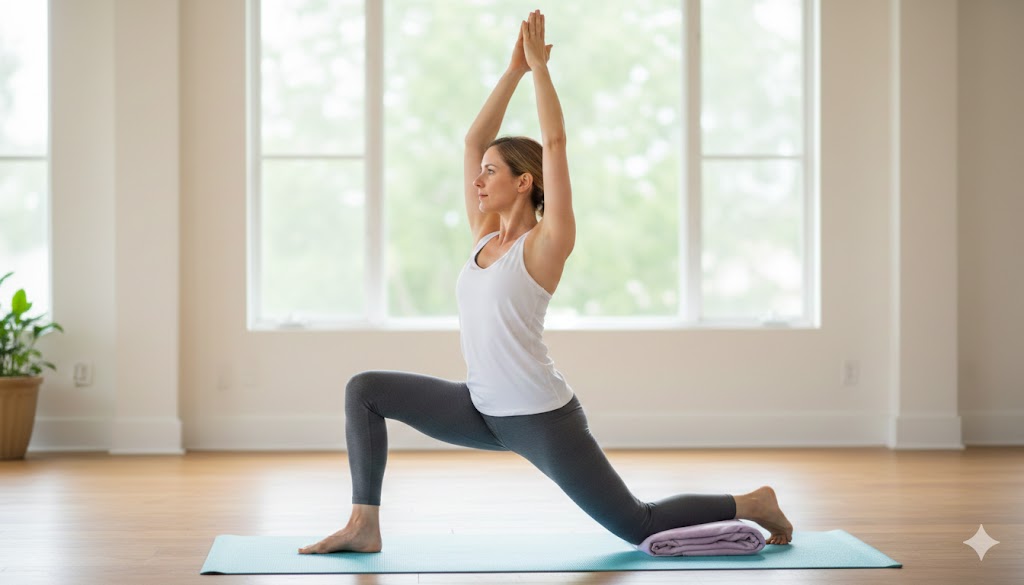
3. Low Lunge (Anjaneyasana Variation)
-
Benefits: Deeply stretches the hip flexors, which often get tight from sitting.
-
How to: From Downward Dog, step your right foot forward between your hands. Lower your left knee to the floor (pad it with a blanket if needed). Keep your right knee stacked over your ankle. You can keep your hands on the floor, or if comfortable, gently lift your torso and place your hands on your front thigh or sweep them overhead. Repeat on the other side.
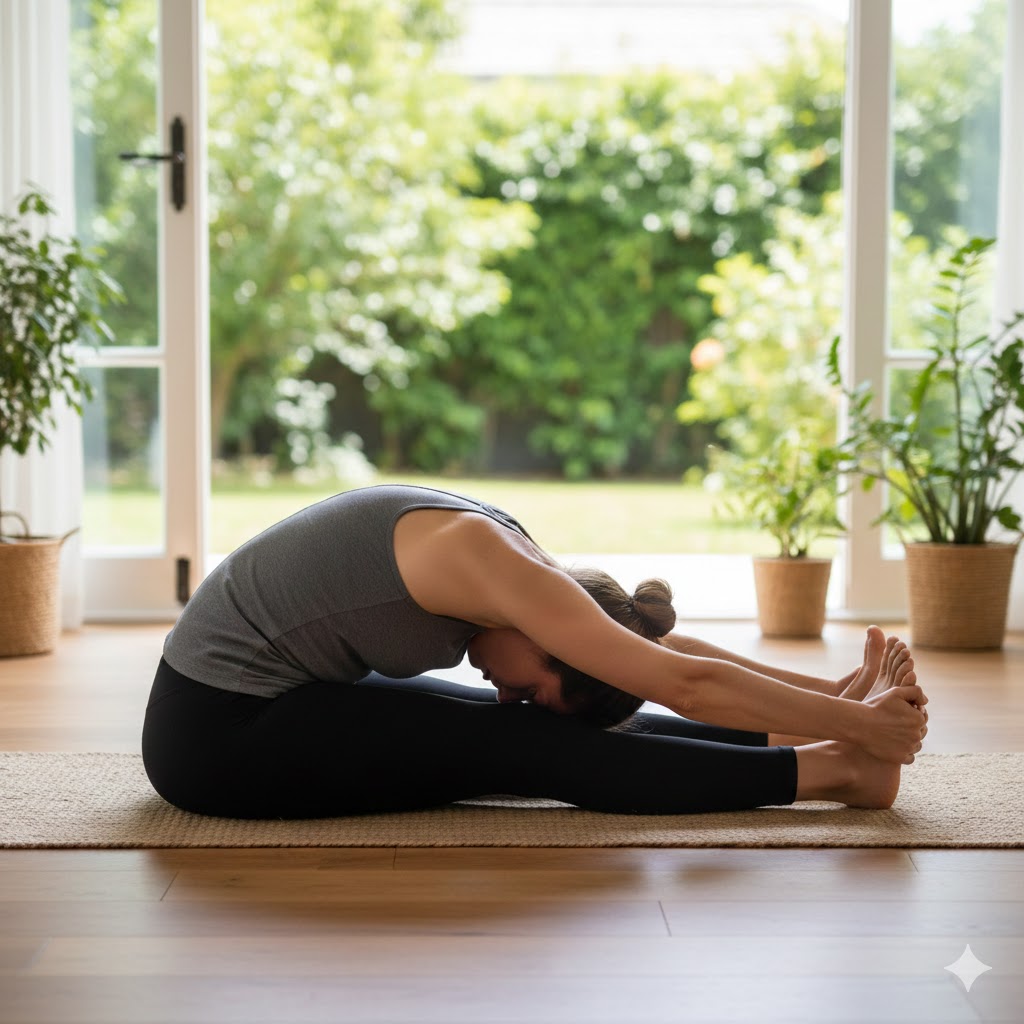
4. Seated Forward Fold (Paschimottanasana)
-
Benefits: Stretches the entire back of the body, including hamstrings, calves, and spine. Calms the mind.
-
How to: Sit on the floor with your legs extended straight out in front of you, feet flexed. Inhale, lengthen your spine. Exhale, hinge from your hips, reaching your hands towards your shins, ankles, or feet. Keep your spine long; avoid rounding your back excessively. A slight bend in the knees is perfectly fine.
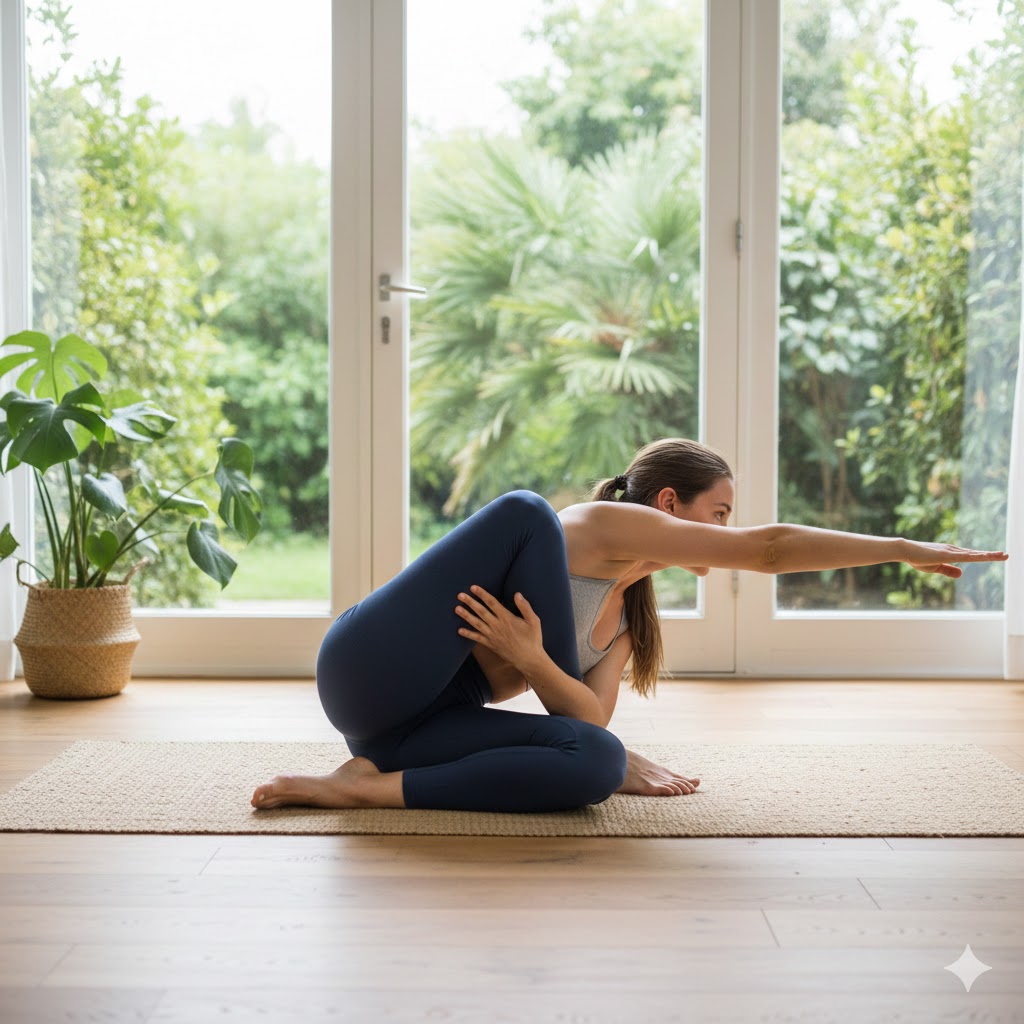
5. Supine Spinal Twist (Supta Matsyendrasana)
-
Benefits: Gently stretches the spine, hips, and shoulders, promoting spinal mobility and relieving tension in the back.
-
How to: Lie on your back, hug your knees into your chest. Extend your arms out to a “T” shape. Let both knees fall to one side, keeping your shoulders as close to the floor as possible. Turn your head to look in the opposite direction of your knees. Breathe deeply. Repeat on the other side.
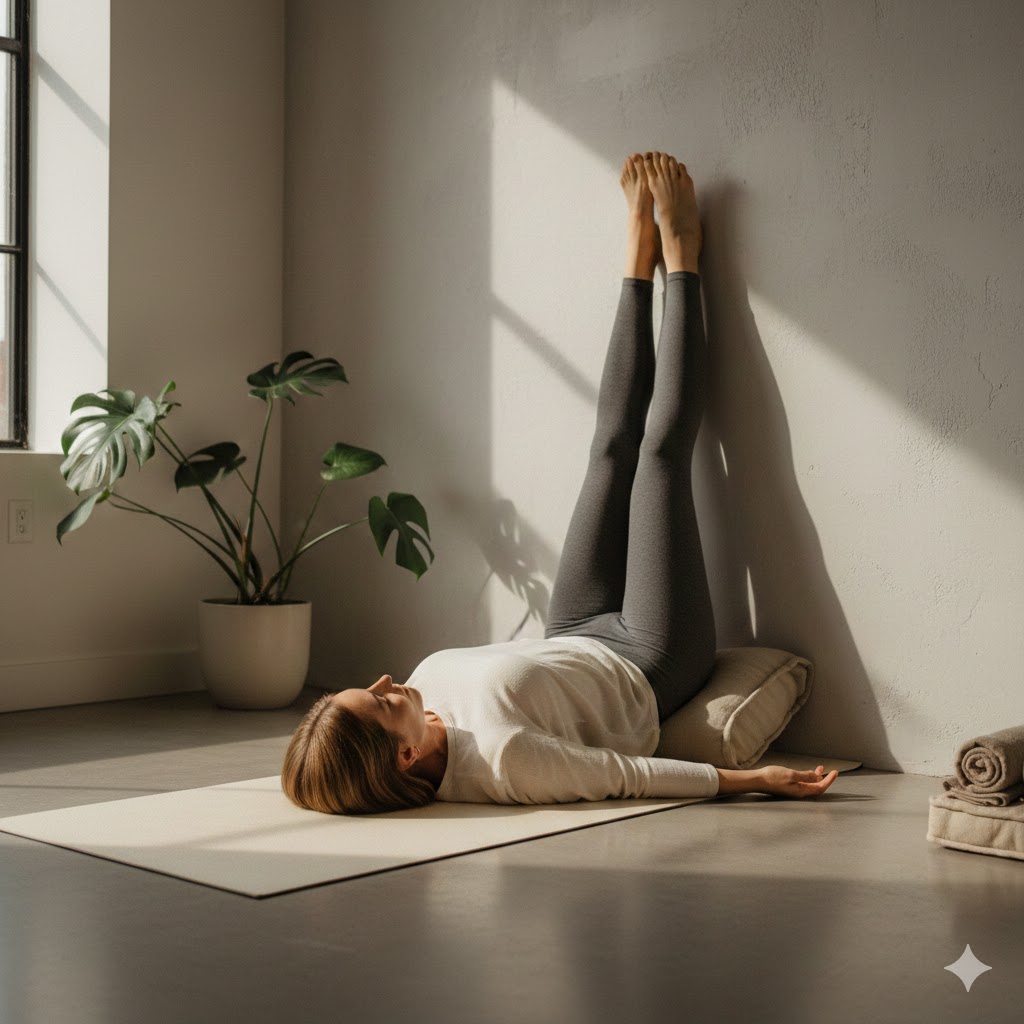
6. Legs-Up-the-Wall (Viparita Karani)
-
Benefits: A restorative pose that gently stretches the hamstrings and lower back, calms the nervous system, and helps relieve tired legs.
-
How to: Sit with one hip as close to a wall as possible. Swing your legs up the wall as you lie back, so your buttocks are against the wall and your legs are straight up. Relax your arms by your sides. Stay here for 5-10 minutes, breathing deeply.
Making it a Habit
Consistency is key. Try to incorporate these moves into your routine 3-5 times a week. You can do them in the morning to wake up your body, during a midday break, or in the evening to wind down. Even 5-10 minutes can make a noticeable difference over time.
Listen to your body, breathe deeply, and enjoy the journey to a more flexible, comfortable, and resilient you!