Why Taking a Rest Day is Your Ultimate Power Move
In our relentless pursuit of productivity and performance, “rest” has become a four-letter word. We’re conditioned to believe that constant hustle is the only path to success, whether in the gym, the office, or our personal lives. But what if I told you that one of the most productive things you can do for your body and mind is to do nothing at all? Welcome to the underrated power of the rest day.
More than just a passive break, a strategically placed rest day is an active investment in your well-being. It’s the secret ingredient that allows your body to rebuild, your mind to recharge, and your motivation to reignite. So, let’s dismantle the guilt and dive into the science-backed reasons why you need to embrace the art of the intentional pause.
Your Body’s Essential Renovation Crew
Think of your last tough workout. You pushed your limits, felt the burn, and gloried in the sweat. What you actually did was create microscopic tears in your muscle fibers. This isn’t a bad thing; it’s the catalyst for growth. However, the real magic happens not during the workout, but during the rest that follows.
While you’re kicking back, your body’s internal renovation crew gets to work. Cells called fibroblasts rush to the scene, repairing the damaged muscle tissue and, in the process, making it stronger and more resilient than before. This is the very essence of building strength and endurance. Without adequate rest, you’re constantly breaking down your muscles without giving them a chance to rebuild, leading to plateaus and an increased risk of injury.
Beyond muscle repair, rest days are crucial for:
- Replenishing Your Energy Stores: Intense exercise depletes your body’s glycogen stores, your primary source of fuel. A rest day allows you to fully restock, ensuring you have the energy to power through your next workout.
- Balancing Your Hormones: Overtraining can lead to an overproduction of stress hormones like cortisol. Chronically elevated cortisol levels can interfere with sleep, promote fat storage, and weaken your immune system. Rest helps to bring these hormones back into a healthy balance.
- Preventing Overuse Injuries: Constantly stressing the same muscles, joints, and ligaments without a break is a recipe for disaster. Rest days give your body a much-needed reprieve, significantly reducing your risk of strains, sprains, and stress fractures.
A Mental Reset for a Sharper You
The benefits of taking a break extend far beyond the physical. Your mind, just like your muscles, needs time to recover and process. The constant “go-go-go” mentality can lead to mental fatigue, burnout, and a decline in cognitive function.
A rest day offers a valuable opportunity to:
- Reduce Stress: Stepping away from your usual routine can help lower stress levels and promote a sense of calm and well-being.
- Boost Motivation and Focus: Ever feel like you’re just going through the motions? A rest day can break the monotony and help you return to your workouts with renewed enthusiasm and a sharper focus.
- Prevent Burnout: Pushing yourself relentlessly without a break is unsustainable. Rest days are essential for long-term consistency and preventing the mental and physical exhaustion that can derail your progress.
Are You Due for a Rest Day? Your Body Knows.
Learning to listen to your body is one of the most important skills you can develop. Here are some common signs that you’re overdue for a rest day:
- Persistent Muscle Soreness: While some post-workout soreness is normal, if you’re feeling constantly achy, it’s a sign your muscles aren’t fully recovering.
- Elevated Resting Heart Rate: A higher-than-normal resting heart rate upon waking can be an indicator of overtraining.
- Fatigue and Lethargy: Feeling unusually tired, even after a full night’s sleep, is a clear signal that your body needs a break.
- Decreased Performance: If you’re struggling to lift your usual weights or your endurance has taken a nosedive, it’s time to rest.
- Irritability and Mood Swings: Overtraining can have a significant impact on your mood.
- Poor Sleep Quality: Difficulty falling asleep or staying asleep can be a sign that your body is overstimulated.
Make Your Rest Day Count: It’s Not About Being a Couch Potato
A rest day doesn’t have to mean a full day spent on the couch (though if that’s what your body is craving, go for it!). The key is to engage in activities that promote recovery and relaxation. Consider incorporating some “active recovery” into your day, such as:
- A leisurely walk or bike ride: Gentle movement can help increase blood flow and aid in recovery without putting stress on your body.
- Stretching or foam rolling: These activities can help to relieve muscle tightness and improve flexibility.
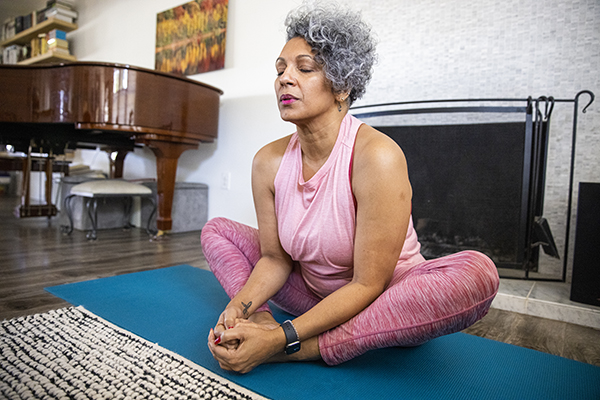
- Yoga or tai chi: These mind-body practices are excellent for reducing stress and improving mobility.
Ultimately, the most important thing you can do on your rest day is to give yourself permission to truly rest. Disconnect from the pressure to perform, nourish your body with healthy food, prioritize a good night’s sleep, and do something you genuinely enjoy.
In a world that glorifies the grind, choosing to rest is a radical act of self-care and a strategic move for long-term success. So go ahead, schedule that do-nothing day. Your body and mind will thank you for it.